

Even though I tote around the Steamboat Horse logo with pride, and am a Wyoming girl through and through, I made my first trip to Ft. Laramie just this summer. I brought my three munchkins along, worrying every minute beforehand that they would be bored and I would get nothing accomplished for the research of my second book. Ft. Laramie is where Anne’s story begins. She is on the Black Hills Stage on the way to her sister’s but she is running. Running in fear from someone she can’t remember from the blow he gave her, and walking away from the man she loves.
This place was everything I expected and so much more. Google Earth can only do so much for a person. Fort Laramie in person is everything for the imagination. And my littles loved it.
A little history on this living museum (I’ll get to why I call it that in a minute) Ft. Laramie was established in 1834 as a fur trader’s fort with the name of Fort William. It is located on the Laramie River but the Platte is close by. Competition a mile to the north on the Platte with Fort Platte. The Fort William (Ft. Laramie) owners built a big better fort from adobe brick, which was known as Fort John. That building no longer stands, but the National Park Service has markers where they believe the original building was.
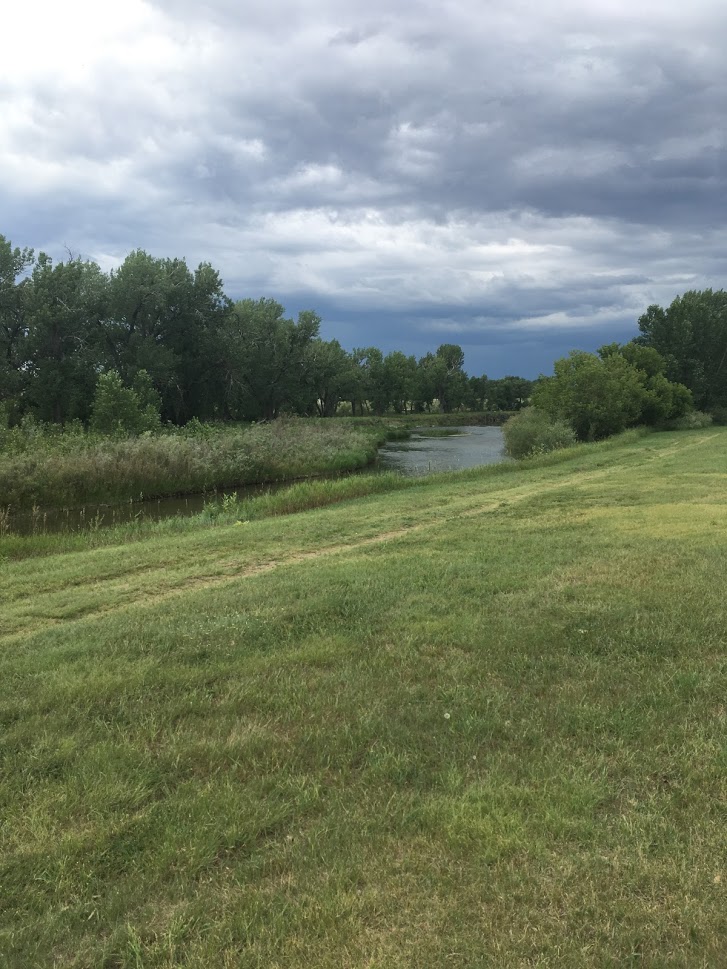
Ft. John main attraction was the barter of Buffalo robes from Native Americans in the area. By 1841 it was a stopping point for western settlers. In 1849, due in part to the California Gold Rush, the United states government purchased Fort John and developed the military base of Ft. Laramie.
The Fort became the hub for settlers, military men, the pony express, the famous Deadwood-Cheyenne stage, the telegraph and one of the most contingent treaties made with Native Americans was signed at Fort Laramie (Treaty of 1868).
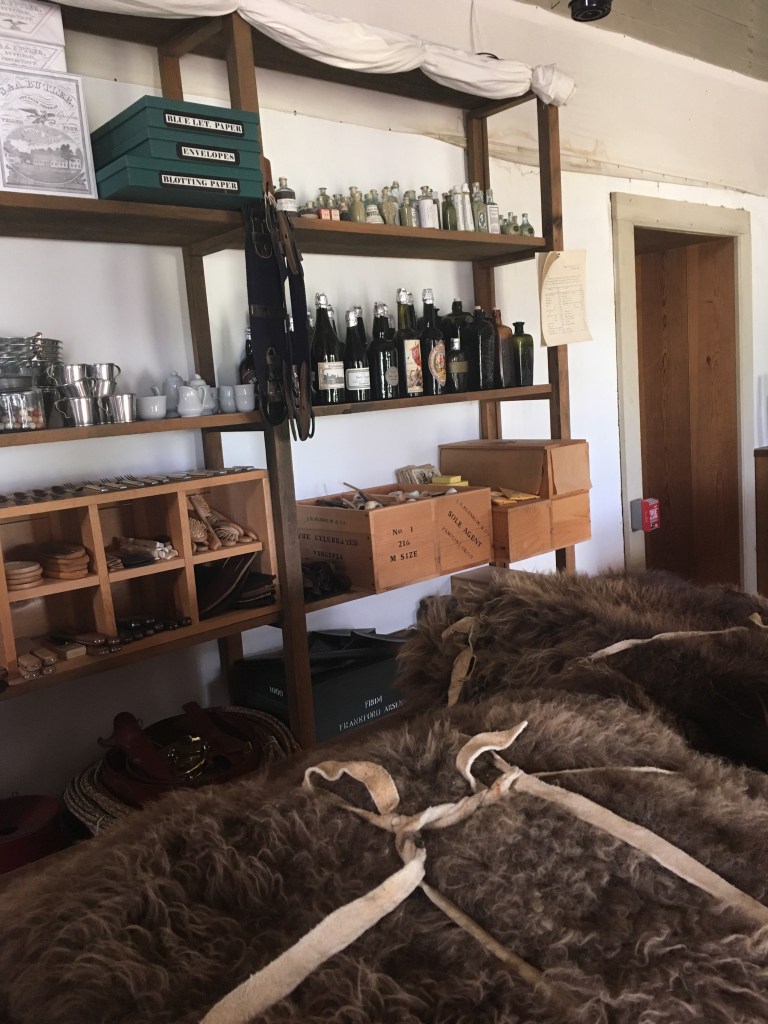
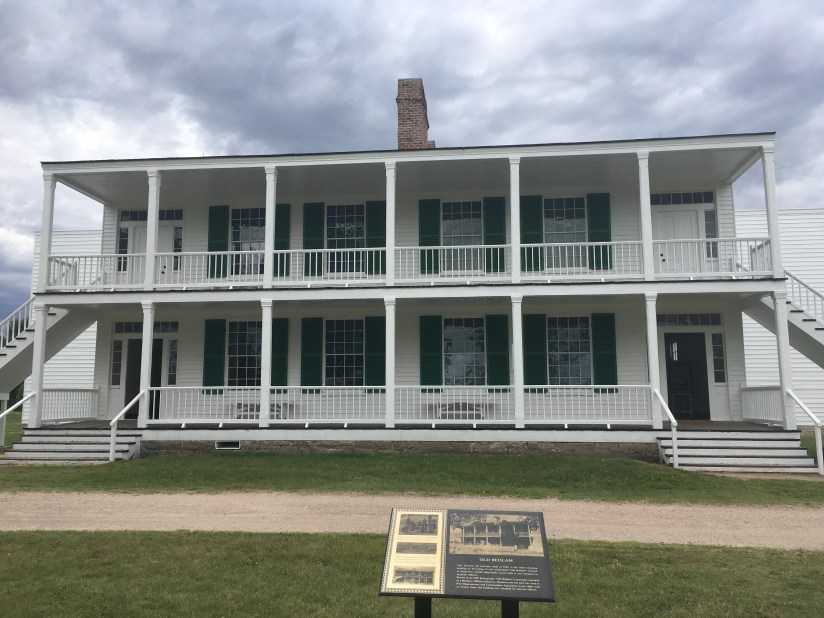
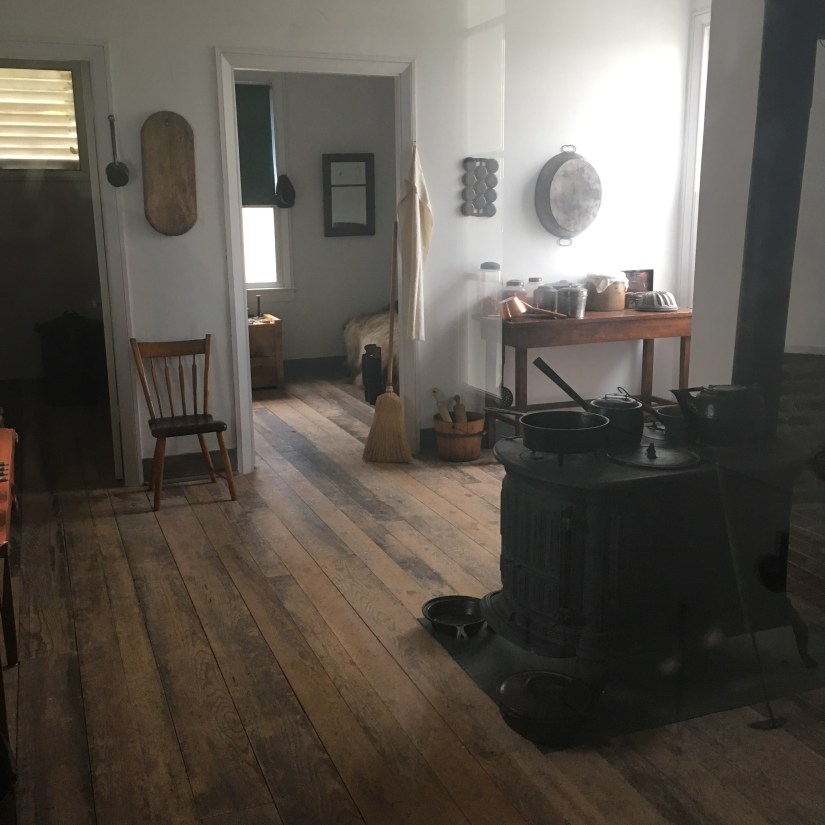
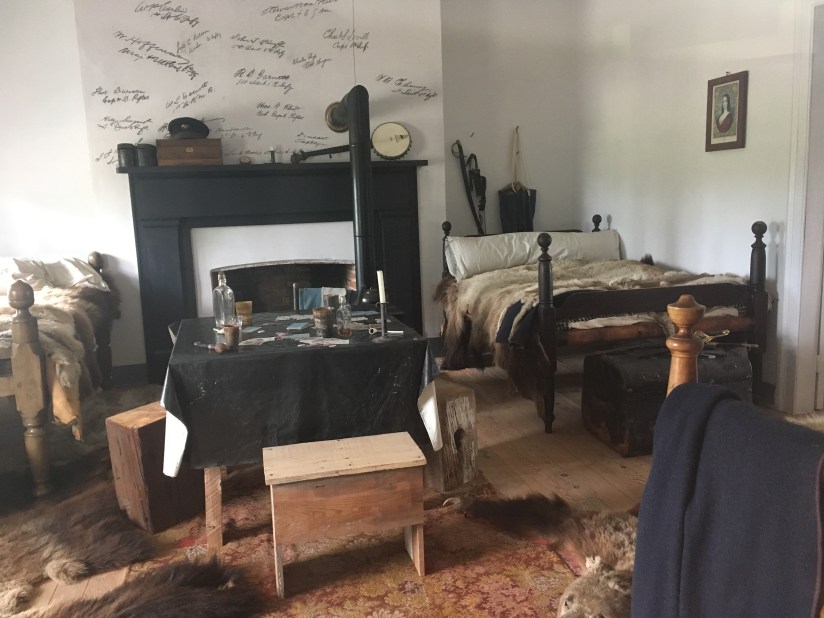
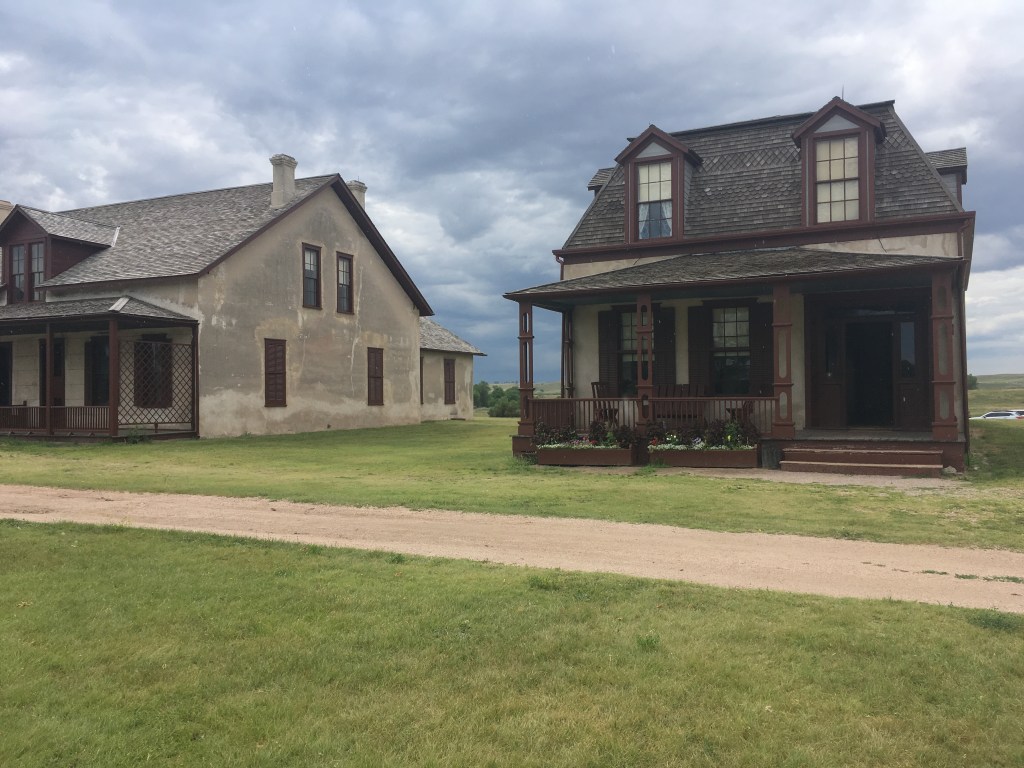
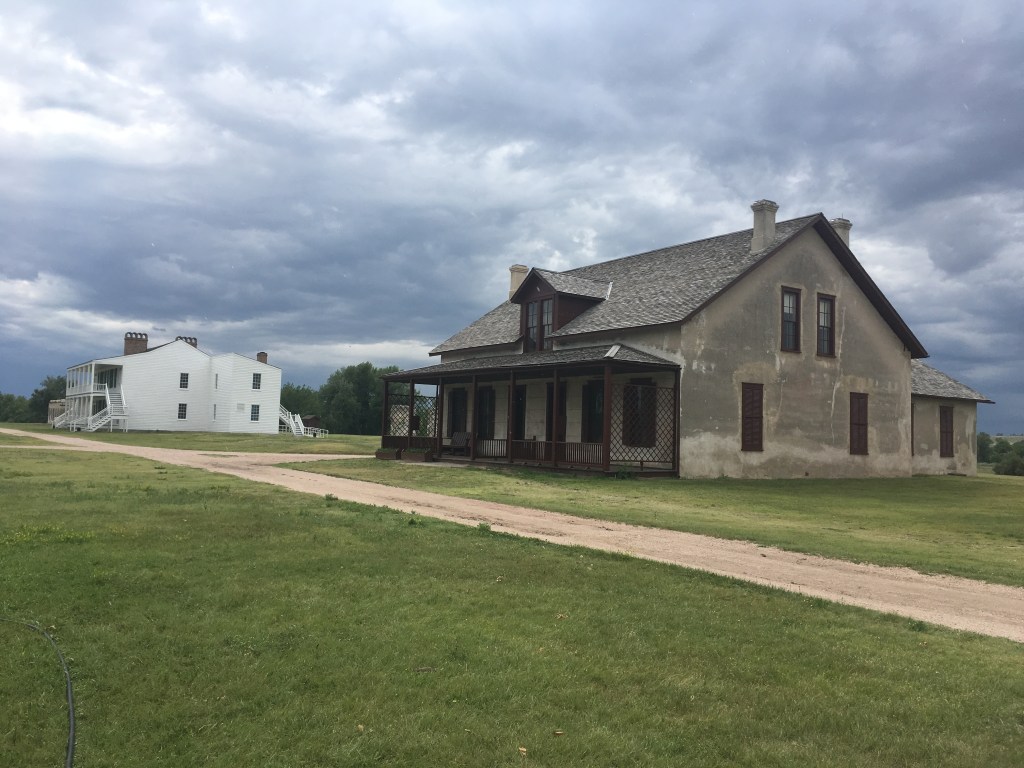
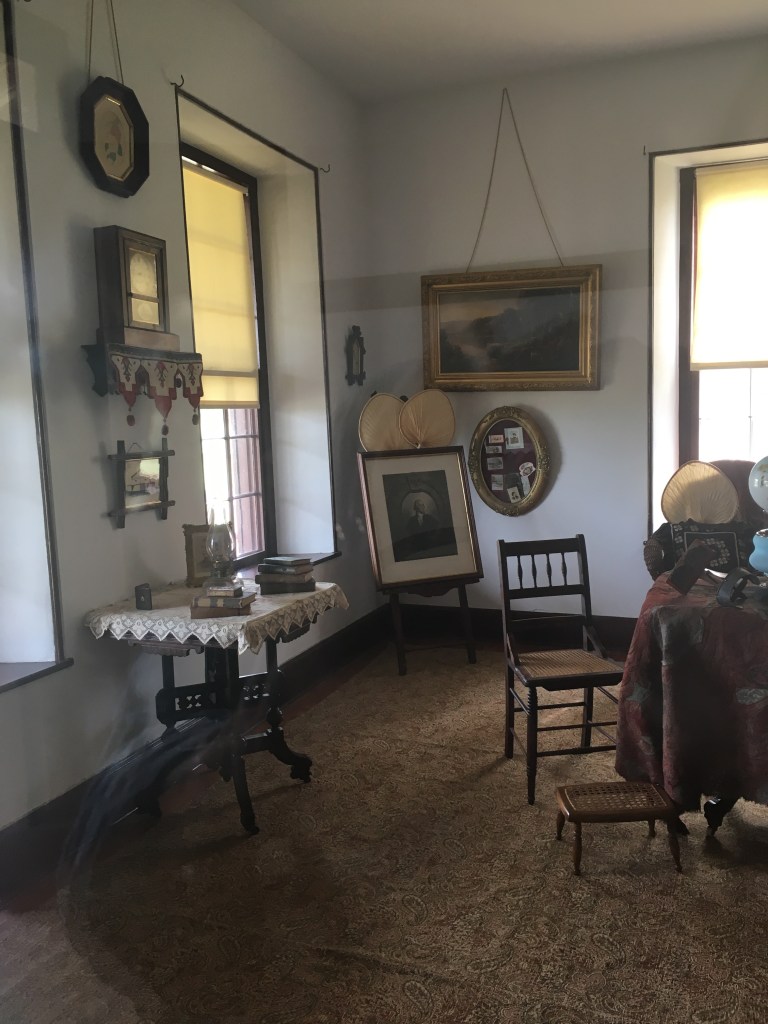
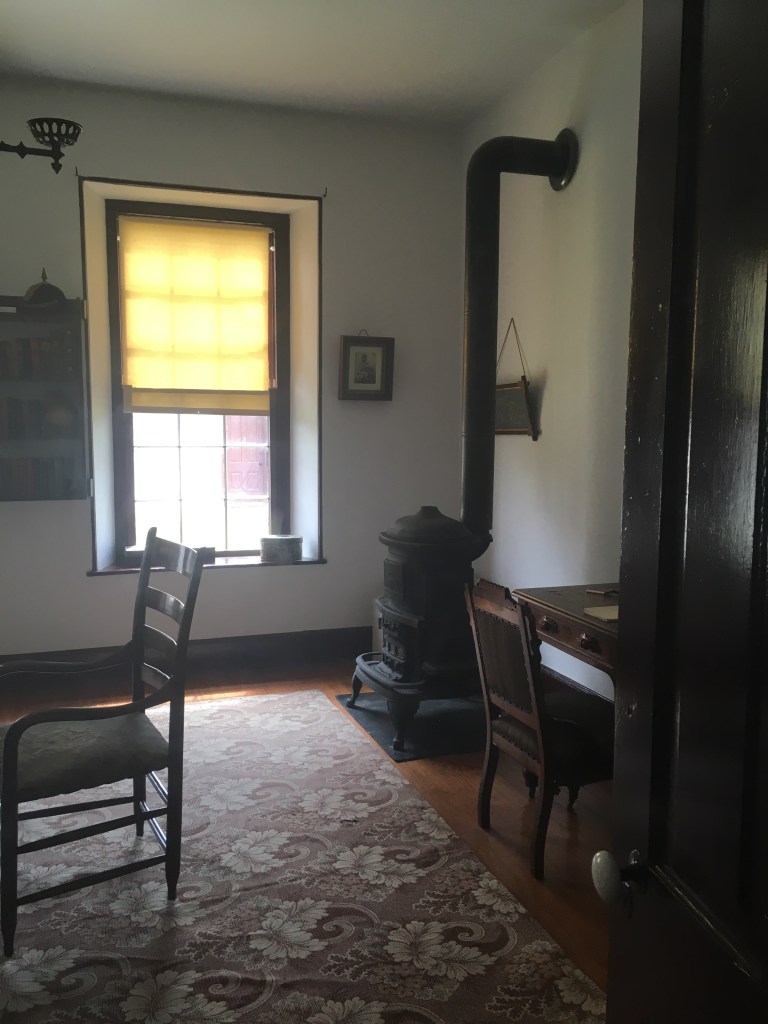
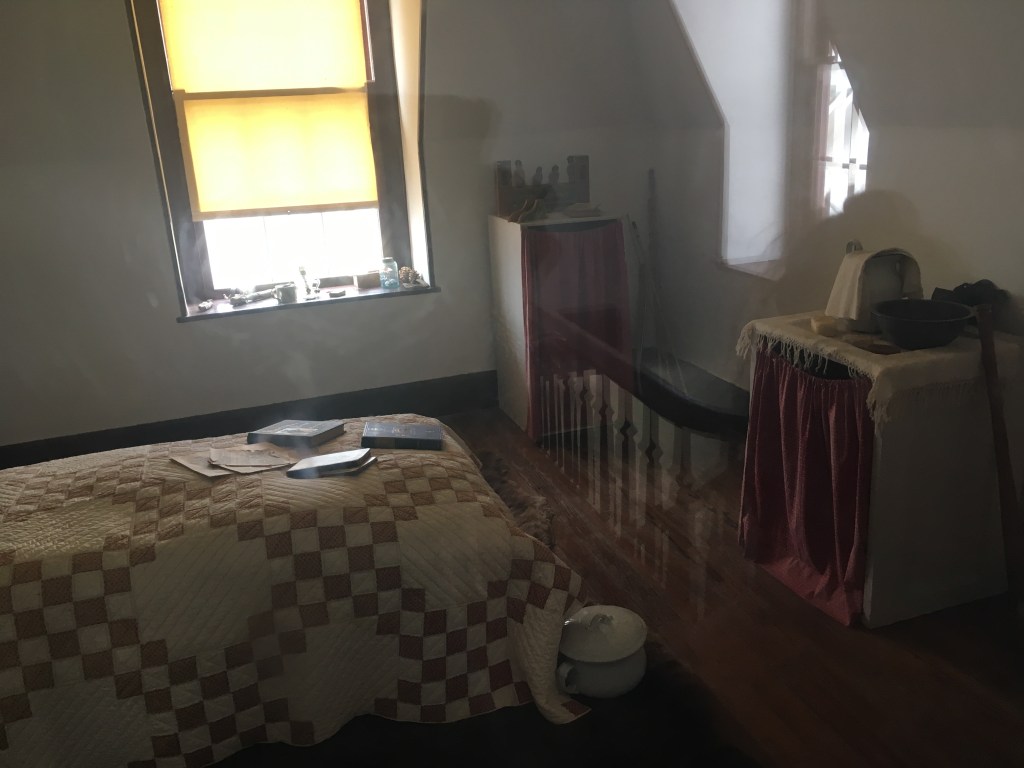
This sight is important because of its history but I am pretty sure that isn’t why my kids loved it. Unlike other museums, where there are hundreds of plagues to read and nothing to touch, Ft. Laramie offers something more. The buildings that still stand, or have been remodeled you can go into. They are set up to look as though someone from the 1800s only put on their shoes and stepped out, leaving everything as it was. You can walk the parade grounds and visit the Sulter’s Store. Feel the pelts that were once traded for the sugar and ammo on the shelves behind the counter.
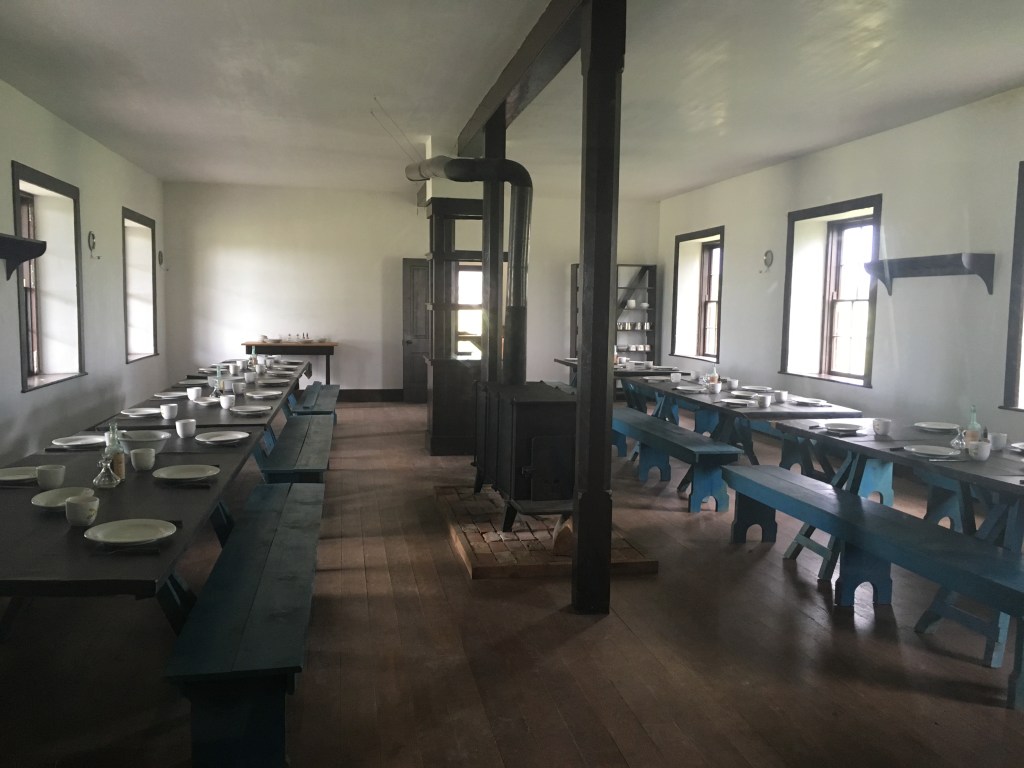
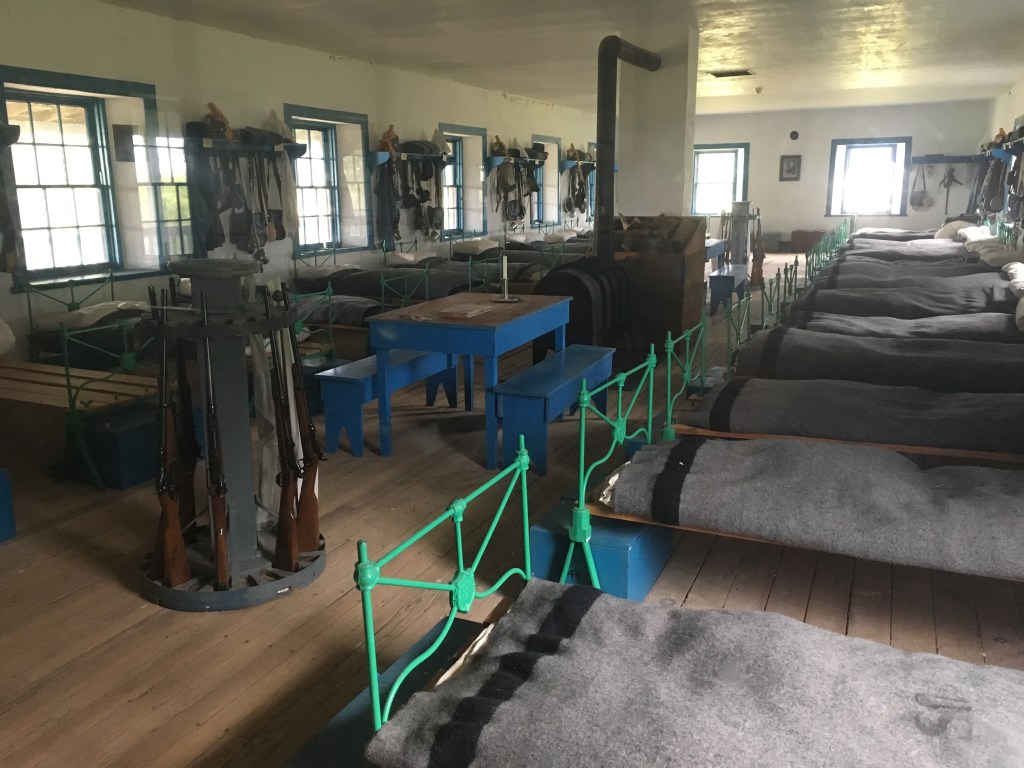
Look into the barracks and the mess hall. Even the common condiment of hot sauce rests on tables.
The jail house still smells of urine.
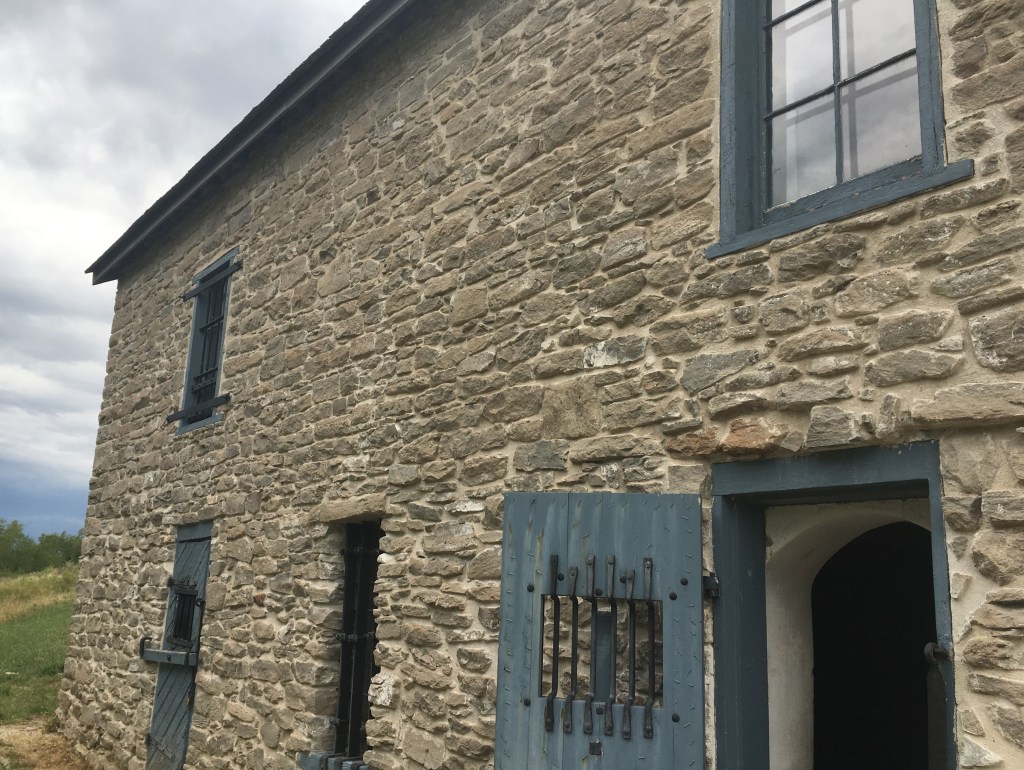
Cannons are on the green. If you can’t find a time machine, this is close. About the only thing missing is men in Calvary uniform, officer’s wives, the laundress’s shacks and smoke from the tepees and chimneys.

 Whitney Buckley